Giorgi Tumasyan’s Journey
Education
When I entered university, I was interested not in momentary political events, but in the deeper, fundamental mechanisms that determine the historical destinies of peoples. This search led me to the field of international relations.
In 2012, I enrolled at the Free University of Tbilisi, which I considered the best choice in Georgia for my educational goals and the development of independent thought. Founded by Kakha Bendukidze, the university offered an exceptional intellectual environment. At its heart was the vision of a reformer who became one of the principal architects of the ‘Georgian economic miracle’. During the reforms of 2004–2007, Georgia dramatically improved its business environment, and the World Bank’s Doing Business 2007 report recognised it as the leading country in business regulation reforms.
The university followed an advanced Western system of general foundational education, serving as an uncompromising forge for systematic thinking. The essence of this approach was that, before specialising in a narrow field, we studied fundamental subjects spanning the exact sciences, economics, and the social sciences.
The curriculum included mathematical and logical algorithms of thought, the fundamentals of economics, the history of humanity’s economic development, and the contemporary global economy. Alongside these subjects, we acquired foundational knowledge in the humanities and social sciences, studying philosophy, anthropology, general and social psychology, and sociology. This interdisciplinary framework developed a distinctive ability to clear any large-scale process of informational noise and see its hard physical, economic, and social skeleton.
It was on this solid foundation that I built my main specialisation in international relations, complemented by a second specialisation in international and public law. This was a fully conscious choice. At that time, I believed that the answers to questions about states’ strength and weakness had to be sought in the external environment. Drawing on the analytical tools I had already developed through general education, I sought to understand how the world order was structured, how decisions were made at the global level, and how military alliances, diplomacy, and international legal institutions functioned. I wanted to understand why some states could successfully dictate their terms on the world stage, while others became passive objects of other countries’ policies.
Yet the further I progressed in studying world politics, the clearer another, much harsher pattern became. Within the university, where the spirit of radical reform shaped our thinking, I began to notice that the same international conditions led to diametrically opposed outcomes for different countries. States facing comparable external conditions and similar threats displayed entirely different levels of resilience, security, and development. Gradually, I reached a conclusion that transformed my understanding: a nation’s destiny is ultimately determined not by external actors or the goodwill of its allies, but by the quality of its own institutions. Foreign policy is a projection of internal strength.
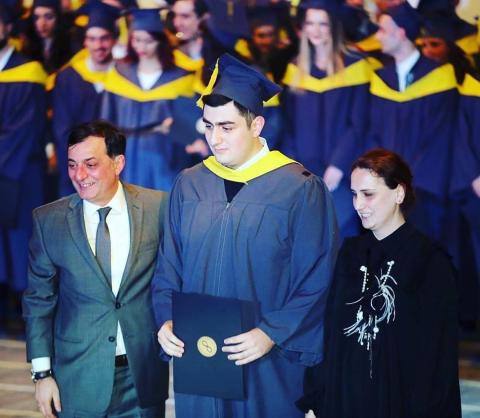
This realisation logically led me to the next stage. If my undergraduate studies had been an attempt to understand how the world surrounding a state was structured, my master’s studies needed to answer the question of how the state itself was structured from within.
In 2016, I achieved strong results in Georgia’s Unified National Graduate Examinations and the university entrance examinations. I was admitted to an international English-language programme in public administration jointly offered by the German University of Administrative Sciences Speyer and Tbilisi State University, receiving 100% state funding.
The university in Speyer is an exceptional example of a European institution of advanced public administration education. Founded in 1947 on the model of France’s École nationale d’administration (ENA), it specialises in administrative sciences, research, and the education and continuing training of public servants. It is a centre for preparing highly qualified personnel for public administration, jointly supported by Germany’s federal government and all 16 federal states. Its teaching is deeply interdisciplinary, encompassing law, economics, and political science, while its small-scale format allows direct contact with practising architects of the German state system.
My focus shifted decisively from international politics to the internal architecture of power. I studied public administration, the structure of executive authority, systemic reforms, and methods for modelling institutional decisions. It became increasingly clear to me that a state’s resilience is measured not by grandiose slogans or the charisma of its leaders, but by the functionality of institutions that must operate with the precision of a Swiss watch, regardless of the particular individuals sitting in government offices.
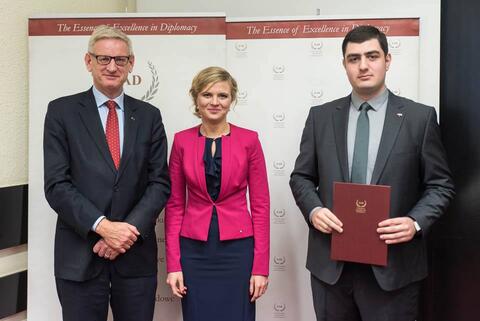
Alongside my university education, I sought access to the world’s leading centres of strategic thought, undertaking training programmes in Europe and the United States. Each programme allowed me to view the phenomenon of statehood from a new perspective. In 2014, through a programme at the University of Maryland in the United States, I studied the architecture of Euro-Atlantic security and the mechanisms of cooperation between NATO and the EU. Analytical meetings at key government institutions in Washington allowed me to see from within the practical, less visible workings of the American diplomatic machine. In 2015, a course at the European Academy of Diplomacy in Poland gave me an understanding of the practice of multilateral negotiations and the mechanisms of decision-making within European institutions.
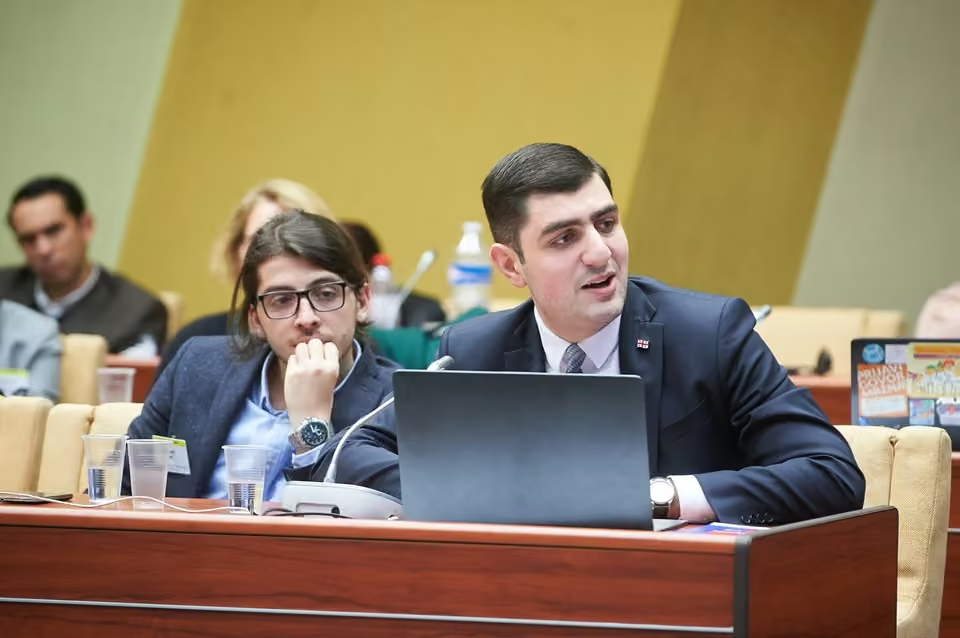
Returning to the regional level, I understood that this general knowledge had to be applied with the realities of the Caucasus in mind. The National Security and Public Policy programme at the Georgian Foundation for Strategic and International Studies, Georgia’s leading independent think tank, provided me with professional training in the strategic analysis of regional threats, defence policy, and crisis planning. This was immediately followed by my participation in the Council of Europe’s Tbilisi School of Political Studies programme. It allowed me to immerse myself in an international community of young leaders, where democracy, the rule of law, and institutional development were examined in detail through closed discussions.
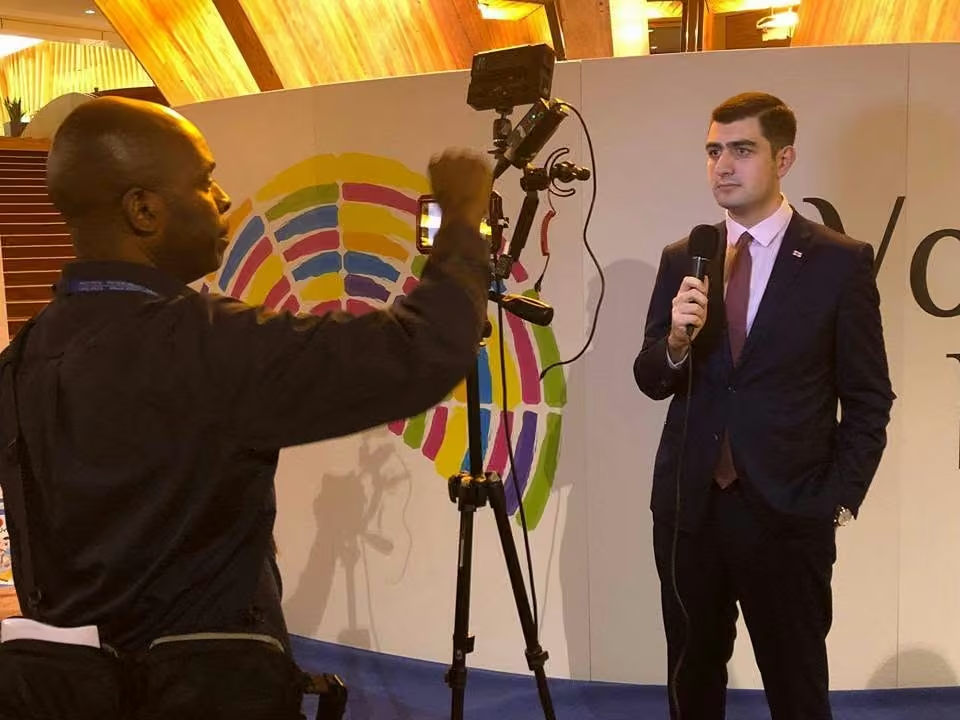
The public policy analysis programme at the University of North Texas had a major methodological influence on the development of my approach. It was there that I learned the art of policy analysis: rigorously evaluating state decisions through mathematically measurable outcomes, risks, and long-term consequences for society, rather than through political preferences or party ideology. For me, public administration ceased once and for all to be the art of eloquent speeches and became the rigorous science of designing systems.
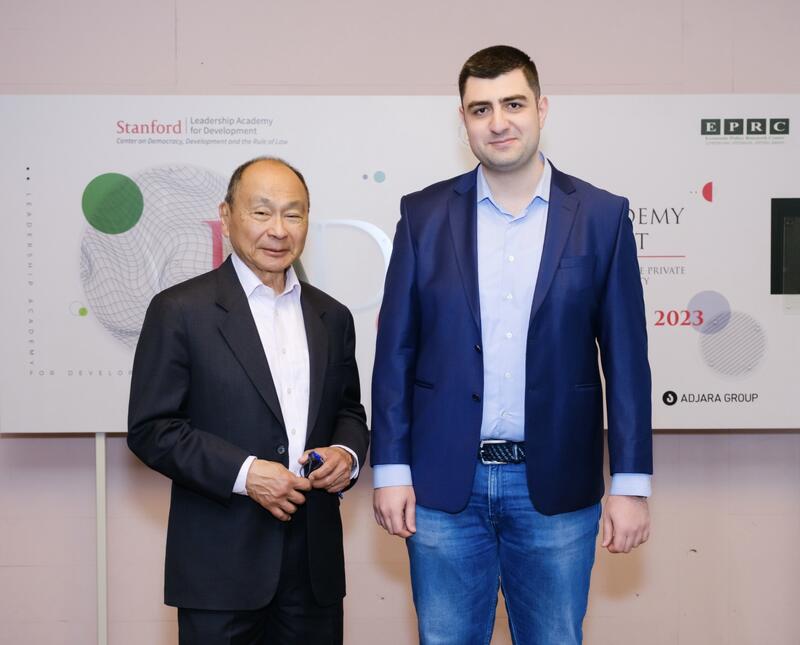
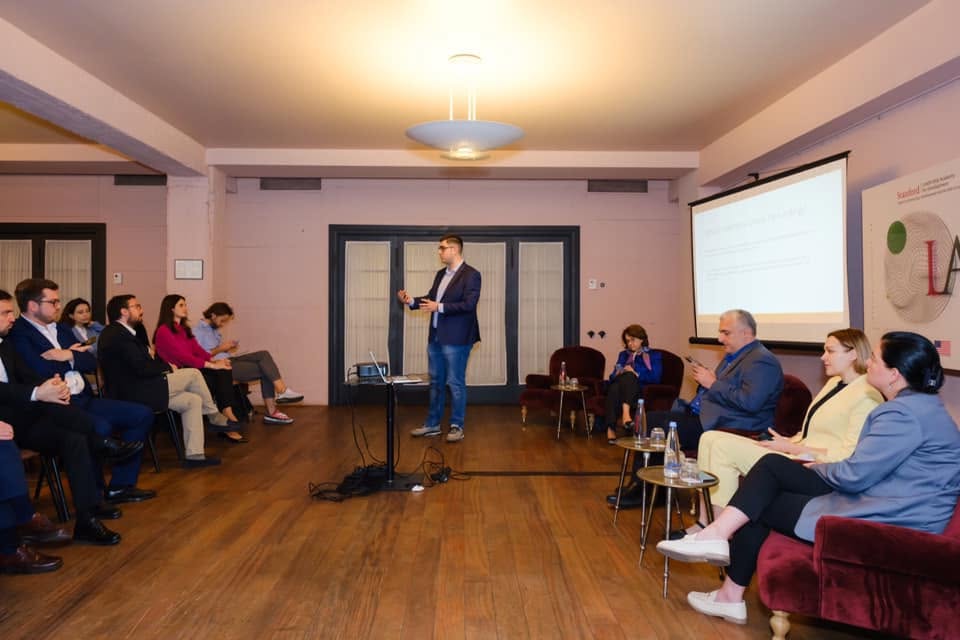
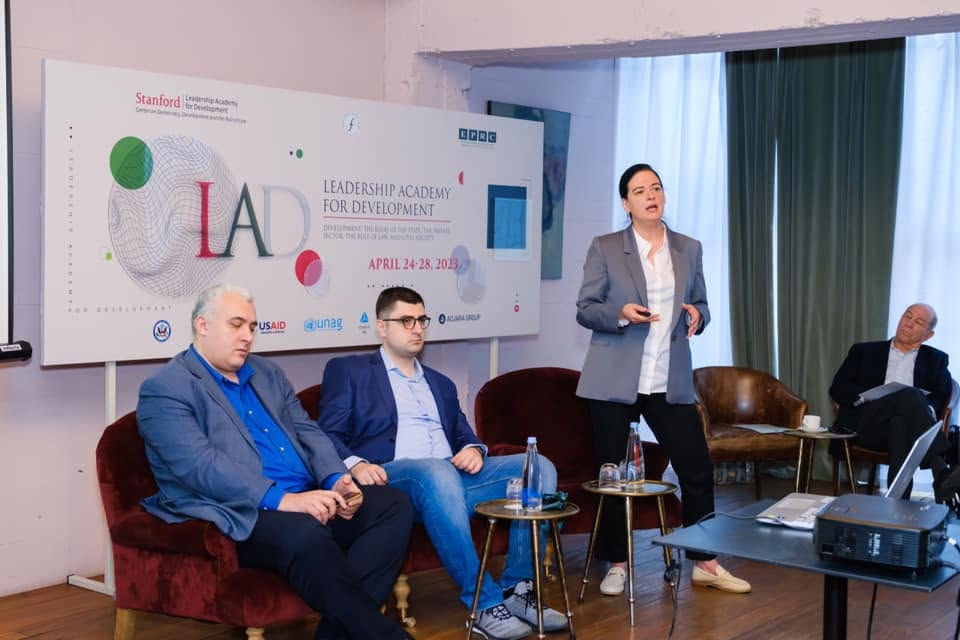
Years later, in 2023, these intellectual pursuits led me to the Leadership Academy for Development programme at Stanford University’s Center on Democracy, Development and the Rule of Law. This experience continued through my membership in the university’s Leadership Network for Change. Working with Francis Fukuyama and other political thinkers and reformers deepened my understanding of the state’s institutional capacity and helped me clarify my vision. A state’s historical success is determined neither by the scale of its natural resources, nor by the size of its territory, nor even by the size of its population. It is determined by the quality of governance and the strategic insight of its elites.
The experiences of Israel, Singapore, South Korea, the UAE, and Switzerland, along with the phenomenal revival of post-war Germany and Japan, repeatedly demonstrated one unshakable truth to me: any state, even a small one, lacking major resources, having endured numerous conflicts, or confined within a hostile ring of neighbours, can make a historic leap and become a true actor in history. But this status is not granted automatically.
To achieve it, a nation must have effective institutions, an iron will, a long-term strategy, and a willingness to invest fully in its principal asset: human capital, especially the new generation.
At that point, the individual elements of the future doctrine began to form a monolithic system. My academic foundation had moved beyond simply accumulating knowledge. Increasingly, my thoughts returned to Armenia, as I understood that its principal existential question was this: what must the architecture of the Armenian state become so that, a generation from now, it can rely entirely on its own unshakable state strength?