Giorgi Tumasyan’s Journey
Formative years
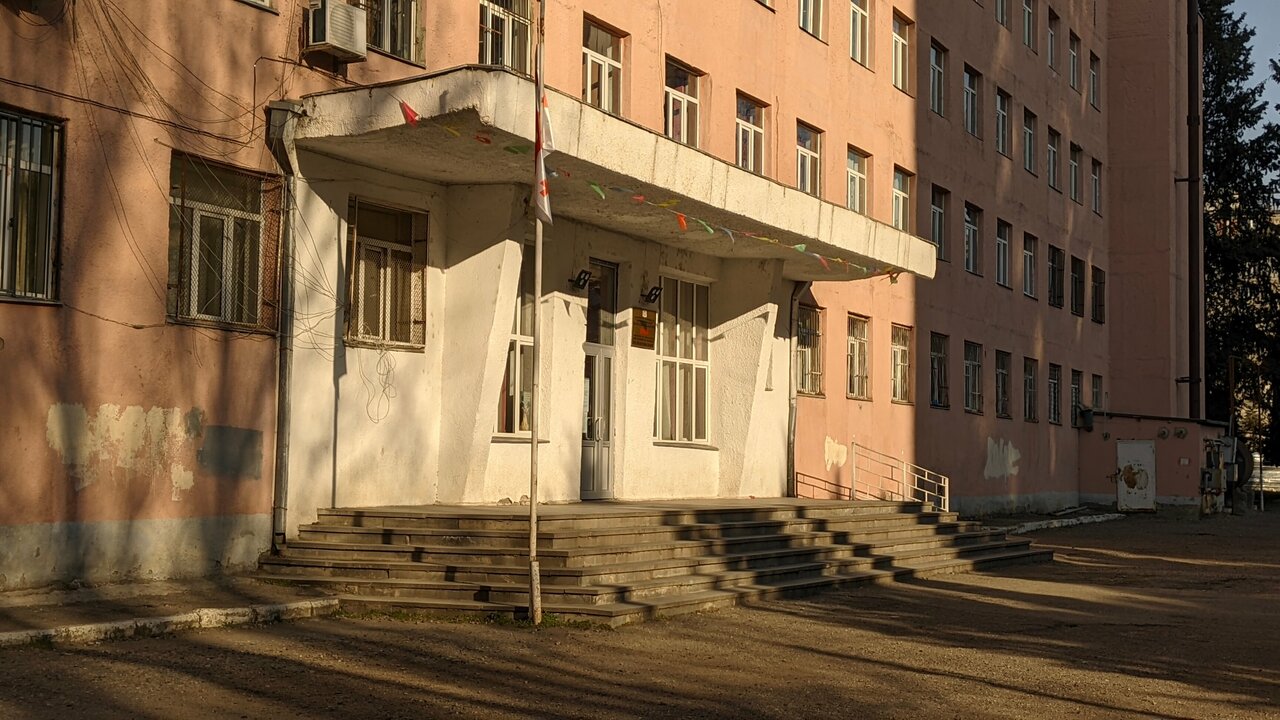
My childhood and early adolescence unfolded in constant movement between two capitals that felt like home to me: Tbilisi and Yerevan. I spent my first school years, from 2001 to 2004, in Tbilisi, attending the multilingual gymnasium attached to School No. 136. From an early age, I found myself in an environment that required me not simply to absorb knowledge, but to adapt constantly. For a child growing up in an entirely Armenian family, this meant living within several linguistic and cultural frames of reference at once, training my mind from childhood to understand different ways of thinking and different mentalities.
In 2004, my familiar world changed: my father decided to repatriate and settle in Yerevan. His deep patriotism was also behind this decision; he wholeheartedly wanted to put his abilities and knowledge at the service of the homeland’s well-being. In Yerevan, my father and his friend Mher Avetisyan established a large-scale bread production business. Mher was also my godfather: I had been baptized according to the rites of the Armenian Apostolic Church. Originally from Vardenis, Mher Avetisyan had settled in Yerevan. But the reality they encountered inside the country was unforgiving: their ideals of a free Armenian state were shattered in an instant when they collided with the corrupt, mafia-style clan system of the Robert Kocharyan era.
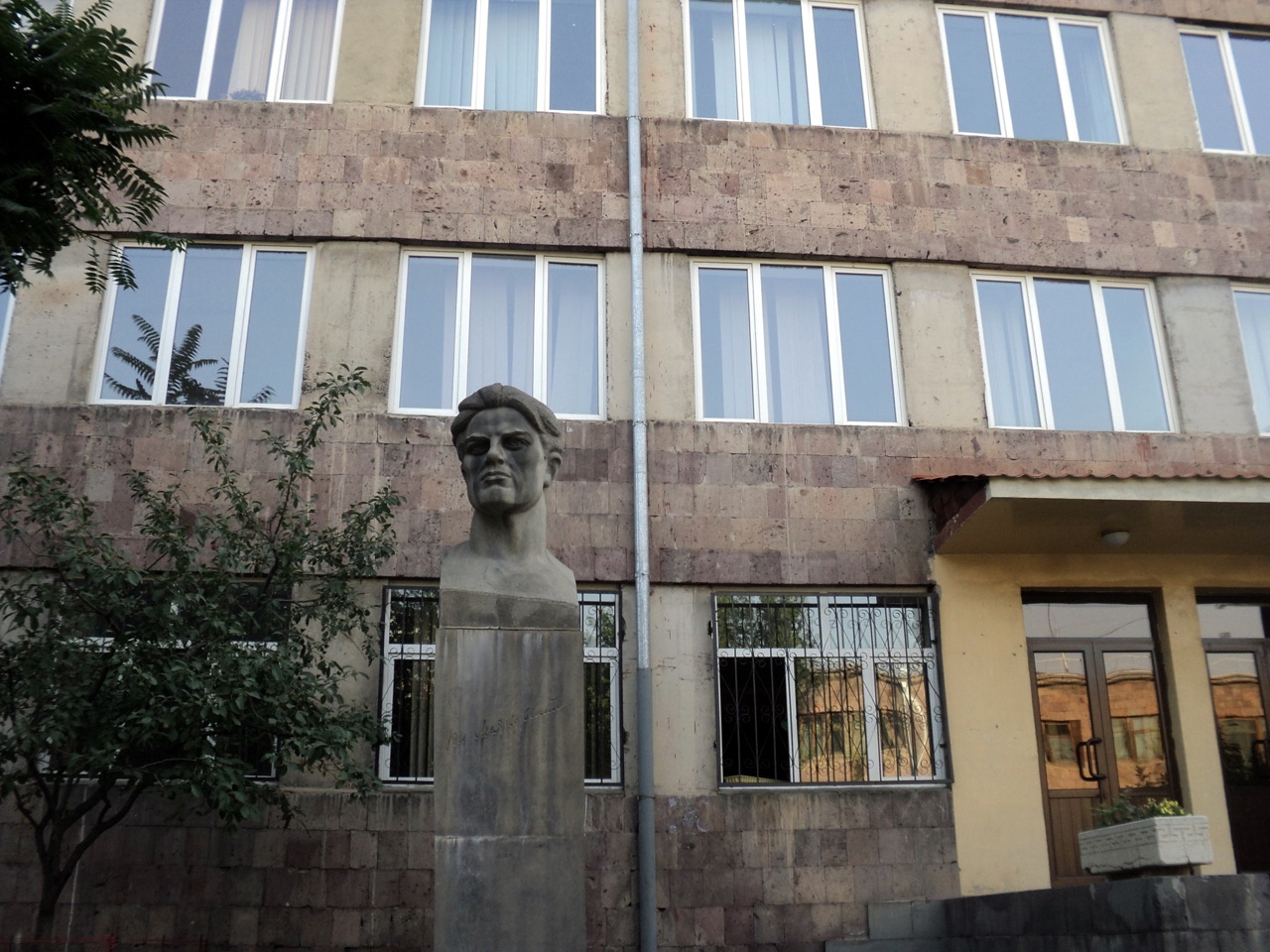
School No. 7, Yerevan — More
I attended this school in 2004–2005.
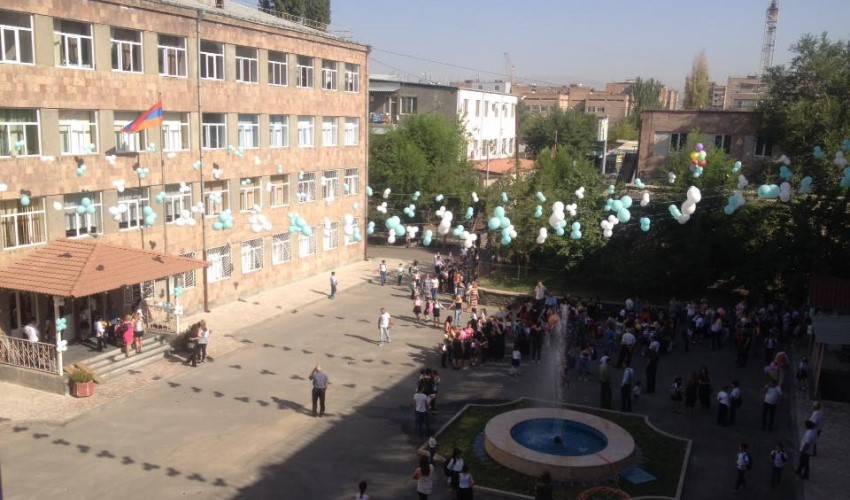
School No. 35, Yerevan — More
I attended this school in 2005–2008.
After a comprehensive assessment of my knowledge at Yerevan’s School No. 7, the admissions committee made an unusual decision: in view of my knowledge and abilities, they admitted me directly to the fifth grade instead of the fourth. This was one of my first significant achievements and an important lesson: established limits do not always reflect a person’s real capabilities.
A radical change of environment is deeply stressful for any child, but for me it became a challenge on an entirely different scale. I had to switch to instruction in Armenian and Russian and rediscover myself in a new environment.
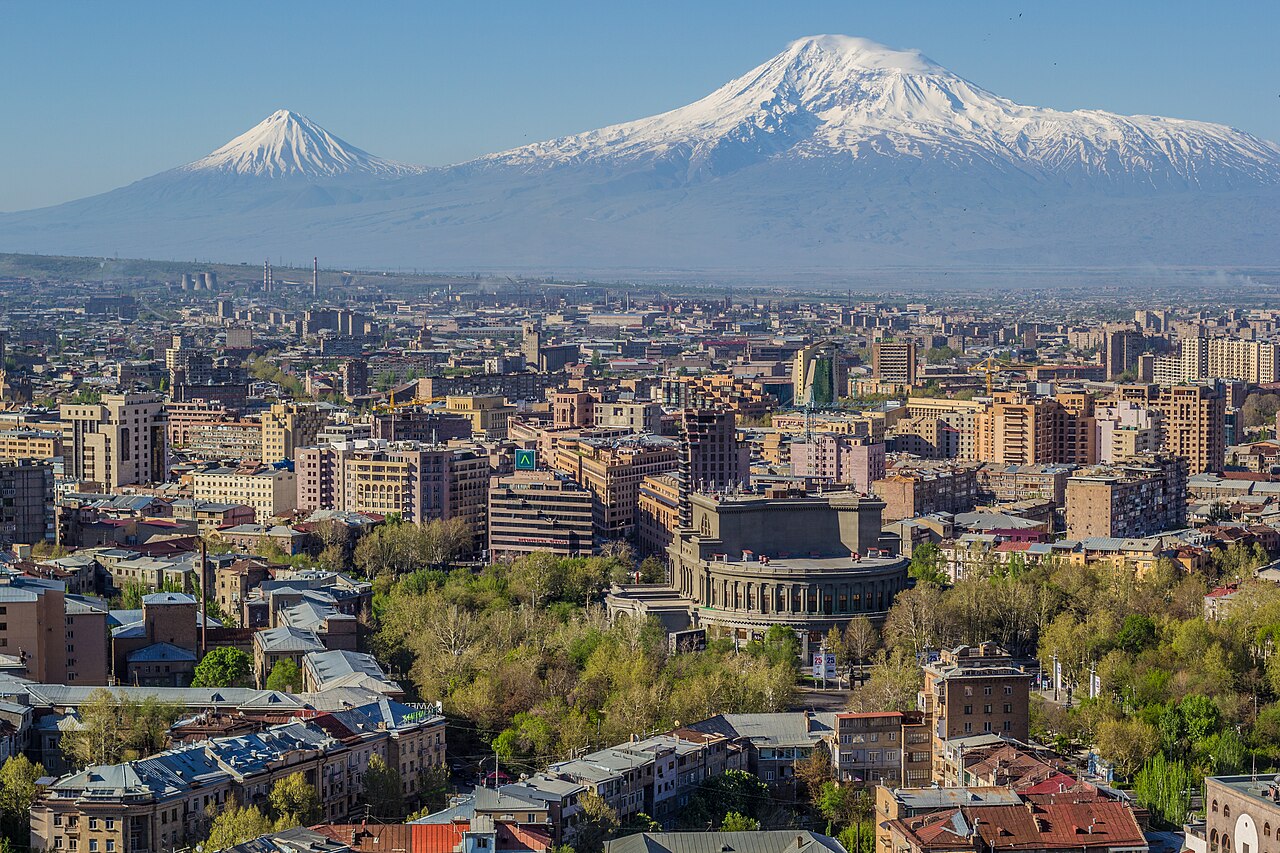
The next four years in Yerevan decisively shaped my inner self. It was here that I began to absorb Armenian history deeply, no longer only through family stories, but through the tangible experience of everyday life. Armenia became part of my own lived experience. During our first year in Yerevan, we lived on Tigran Mets Avenue, very close to Republic Square, at the very heart of the country. The following three years were spent in the historic Erebuni district, in a part of the city with a magnificent view of Mount Ararat. This silent witness to our victories and tragedies strengthened my Armenian self-awareness day after day.
Yet the domestic political atmosphere was rapidly growing more heated. The business my father and godfather had built through hard, honest work, supplying Yerevan with fresh bread every morning, came under ruthless extortion by the mafia system. In that reality, authoritarianism had completely supplanted the law.
Even if economic pressure could still be resisted, the next blow struck at the heart. The bloody events of March 1, 2008 became the point of no return. The son of a close friend of my father was killed during the brutal suppression of the protests, one of the ten victims murdered on those dark days. At the farewell ceremony for his son, the father was directly threatened with the murder of his second son. Deeply shaken by what had happened, he decided not even to bury his murdered son on Armenian soil: he took his son’s body out of the country, taking the other members of his family with him.
This tragedy shook my father to the depths of his soul. He understood with icy clarity that the system that had been built was deeply anti-Armenian in its very nature. It not only deprived people of the possibility of living in their homeland, but also killed members of its own nation in order to remain in power. It would take the nation another ten years to recognize and overcome this disaster. But in the summer of 2008, this reality forced my father to make the painful decision to return to Tbilisi.
In June 2008, when I was still twelve years old, the wheel of fate turned again. I had to retrace the entire journey of adaptation in reverse: by then, School No. 136 had become entirely Georgian-language, requiring yet another change of language and integration into an environment I had partly forgotten. Just two months later, in August 2008, war broke out in Georgia.
It changed my adolescent consciousness forever. As Tbilisi at night shook with the roar and strikes of Russian aircraft, I felt physically the full mercilessness of war and the extreme helplessness of an individual before the leviathan of geopolitics. It was during those anxious August nights that a stark understanding took shape within me: peace is guaranteed to no one, and security is not a given, but the result of a state’s strength. Living across the divide between two states taught me to look at developments beyond formal borders.
My final school years became a period of intensive rebuilding of my Georgian-language skills and my first major achievements. I took part in national history and geography Olympiads, won prizes, and organized large-scale school initiatives. Following my victory in an Olympiad, several other schoolchildren and I were invited to a summer educational program at the Free University of Tbilisi, where I became familiar with the curriculum designed for students in the Faculty of International Relations.
By the time I finished school, the direction of my life was already clear. I wanted to study the system of international relations and processes in depth. I was guided by the same question that had stayed with me since childhood: why do some peoples and states win, while others lose?
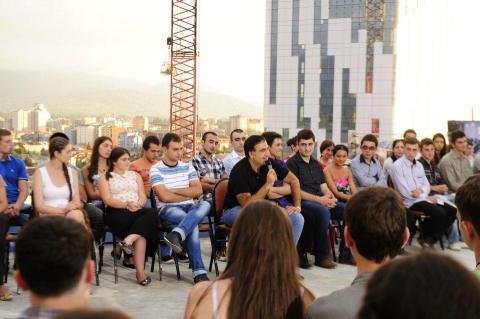
Meeting the President of Georgia · Batumi, Georgia — More
Meeting of top-performing applicants, 2012.
In 2012, I completed the twelfth grade with distinction, one year ahead of my peers. With top scores in Georgia’s Unified National Examinations, I ranked among the country’s best applicants and was invited to a meeting between the President of Georgia and the best school graduates. These results opened the doors of the country’s best university, the Free University of Tbilisi, and secured full state funding for my studies. My childhood journey between Tbilisi and Yerevan was coming to an end, and my life as a university student in Sakartvelo/Georgia was beginning.