Giorgi Tumasyan’s Journey
Practical experience
University classrooms and prestigious international programmes gave me fundamental knowledge, analytical tools, and an understanding of ideal models of state organisation. Yet I soon reached an obvious conclusion: the anatomy of power cannot be fully understood through books and lectures alone. Politics, diplomacy, and public administration become different things when you encounter them in practical work. I was increasingly troubled by a question: are there laws of governing a state that are not discussed within academic walls? Is there a particular knowledge or understanding that reveals itself only once a person is already in power?
For precisely this reason, while I was still a student, the trajectory of my life moved decisively beyond the confines of conventional academic study. Studying geopolitics from the sidelines was no longer enough for me. I wanted to see from within how future elites were formed, how tectonic social movements emerged, and how dry theory was transformed into real practice.
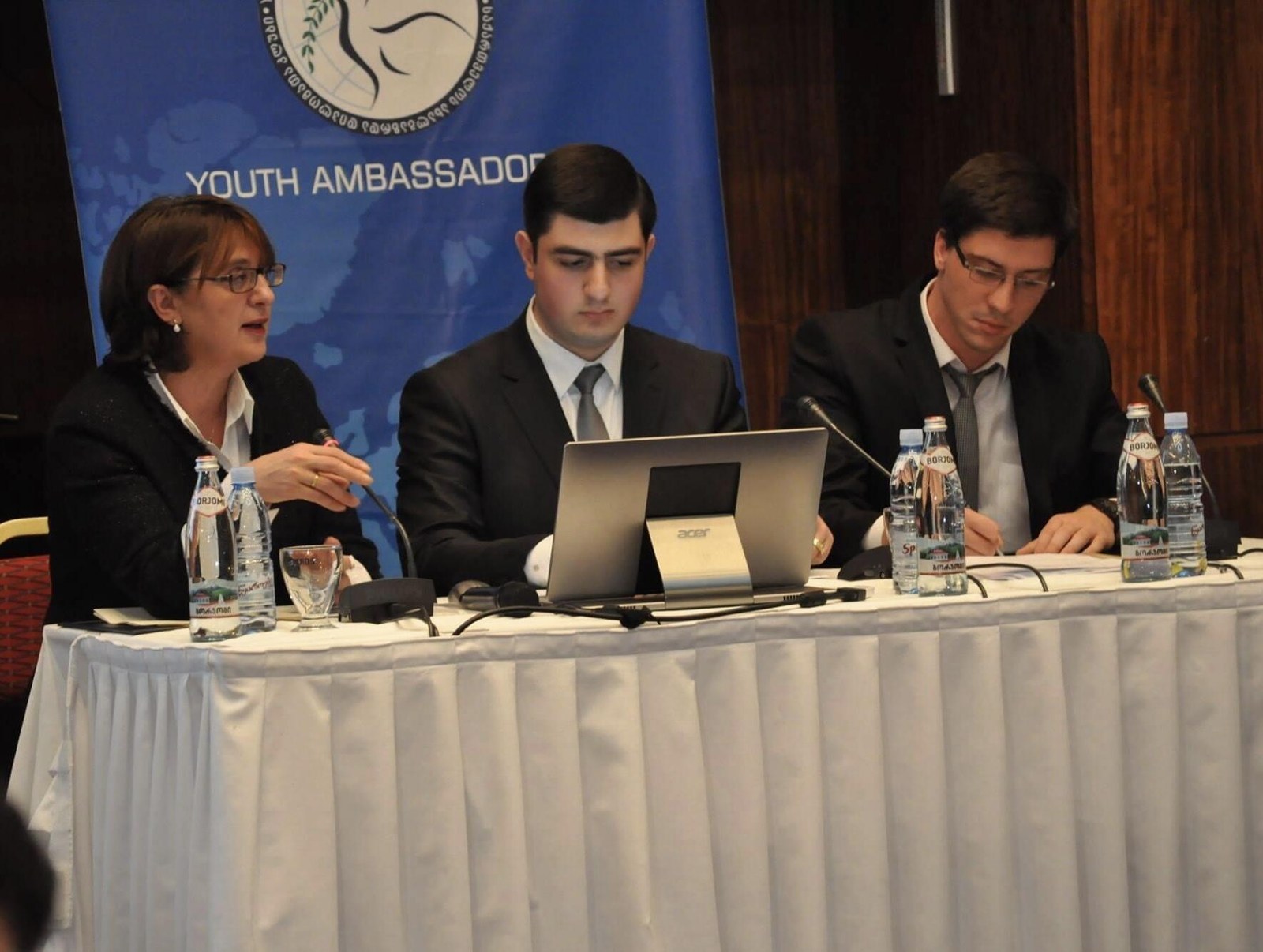
My first substantial entry into public life came through youth diplomacy organisations. While I was still at school, in 2011, my starting point was the regular visits to our school by a representative of the Universal Peace Federation, an international organisation with special consultative status at the UN Economic and Social Council. These visits were approved by Georgia’s Ministry of Education and Science. His discussions of the global agenda and the mechanisms of the United Nations immediately captured my attention. I threw myself into this intellectual work with complete clarity and dedication, becoming the most active participant in every session.
The result of this first breakthrough was my recognition as a Youth Ambassador for Peace that same year. For a sixteen-year-old, it was not merely a symbolic achievement, but a tangible intellectual milestone. This recognition strengthened my ambition to speak at the United Nations one day and made that goal more concrete. At the time, I placed enormous hopes in the organisation, sincerely regarding it as humanity’s principal arbiter and the highest guardian of global justice. It was a period of pure, romantic faith in the power of international institutions, a faith that, years later, would face the harshest and most merciless test of real geopolitics.
In 2013, I took part in nationwide youth diplomatic debates conducted in Georgian. Among three hundred of the strongest participants from across the country, I won first place. For me, the victory had a significance that was less symbolic than deeply practical: it demonstrated the overwhelming power of flawless argument, iron discipline of thought, and the ability to lead people. The prize was my first international trip, to Strasbourg in France, where I visited the European Parliament, the Council of Europe, and the European Court of Human Rights. I was still 17, and with my father’s legal consent I travelled to Europe for the first time, to see the architecture of European and international institutions with my own eyes.
Shortly afterwards, I became head of international relations at what was then Georgia’s largest youth organisation, using that platform to organise extensive international youth diplomacy activities. Through these programmes, which brought together thousands of young delegates, we created a training ground for future professionals. Many of those young people later entered public service and the world of professional diplomacy. It was then that I first grasped a strategic truth: developing human capital is the foundation of national security. States are built not with ink on paper, but with trained people.
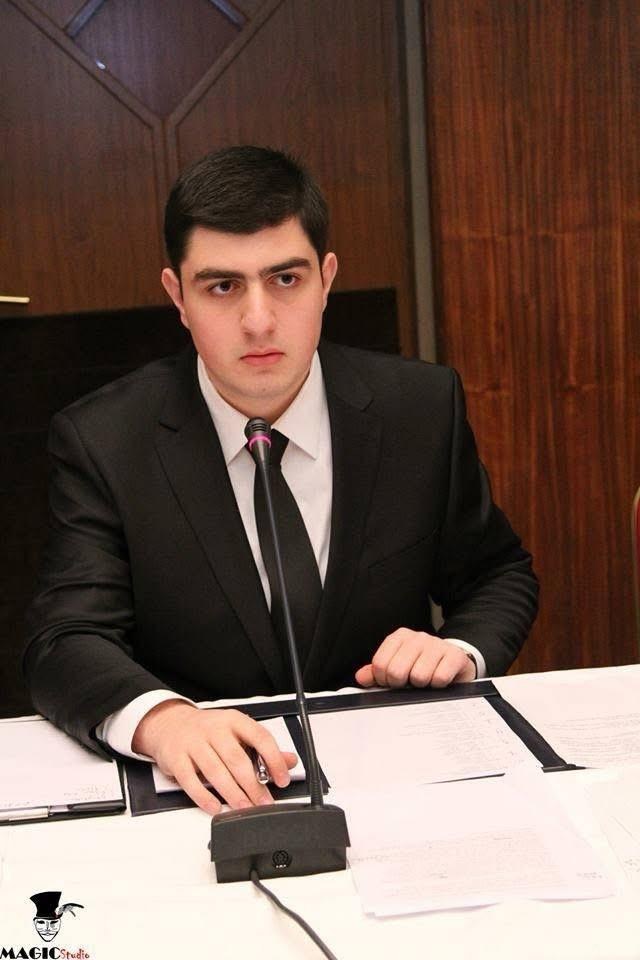
Alongside this work, I rapidly entered Georgia’s diplomatic community. Although I was not studying at Tbilisi State University, I joined the Young Diplomats’ Club of Georgia affiliated with TSU, was elected a member of its congress, and became chair of its board in 2014–2015. At the same time, my fellow students and I established the Future Diplomats’ Club at the Free University of Tbilisi. During the same period, I was elected a member of Georgia’s Youth Parliament, where I served on the committee for foreign relations, European integration, and defence. It was an invaluable school for understanding the mechanisms through which the region’s future political elites and horizontal connections were formed.
In those same years, I studied electoral processes from within for the first time. As an officially accredited observer for the respected Multinational Georgia organisation during Georgia’s 2013 presidential election and its 2014 local government elections, I studied the workings of electoral systems and the mechanism of civic oversight. This experience finally dispelled my youthful illusions: the resilience of democracy is determined not by beautiful declarations, but by the rigorous quality of its institutions and society’s ability to protect the letter of the law through daily scrutiny.
My systematic work within the Armenian community began alongside these activities. It started with research at the Georgian Armenian Community Platform, which at the time was called Ardzagank. There, I examined sociopolitical trends, integration, and the protection of the Armenian community’s rights. Yet dry analysis quickly developed into service to the community. I came face to face with people’s real problems and recognised my personal responsibility for the future of my people on this land. This experience laid a solid foundation for my subsequent years of work defending the community’s rights.
Alongside my community work, active membership in the Tiflis Hamkari civic initiative became one of the most important ways I contributed directly to life in Tbilisi. This was the leading advocacy organisation working to preserve the historical, architectural, and cultural heritage of Georgia’s capital, my native Tbilisi.
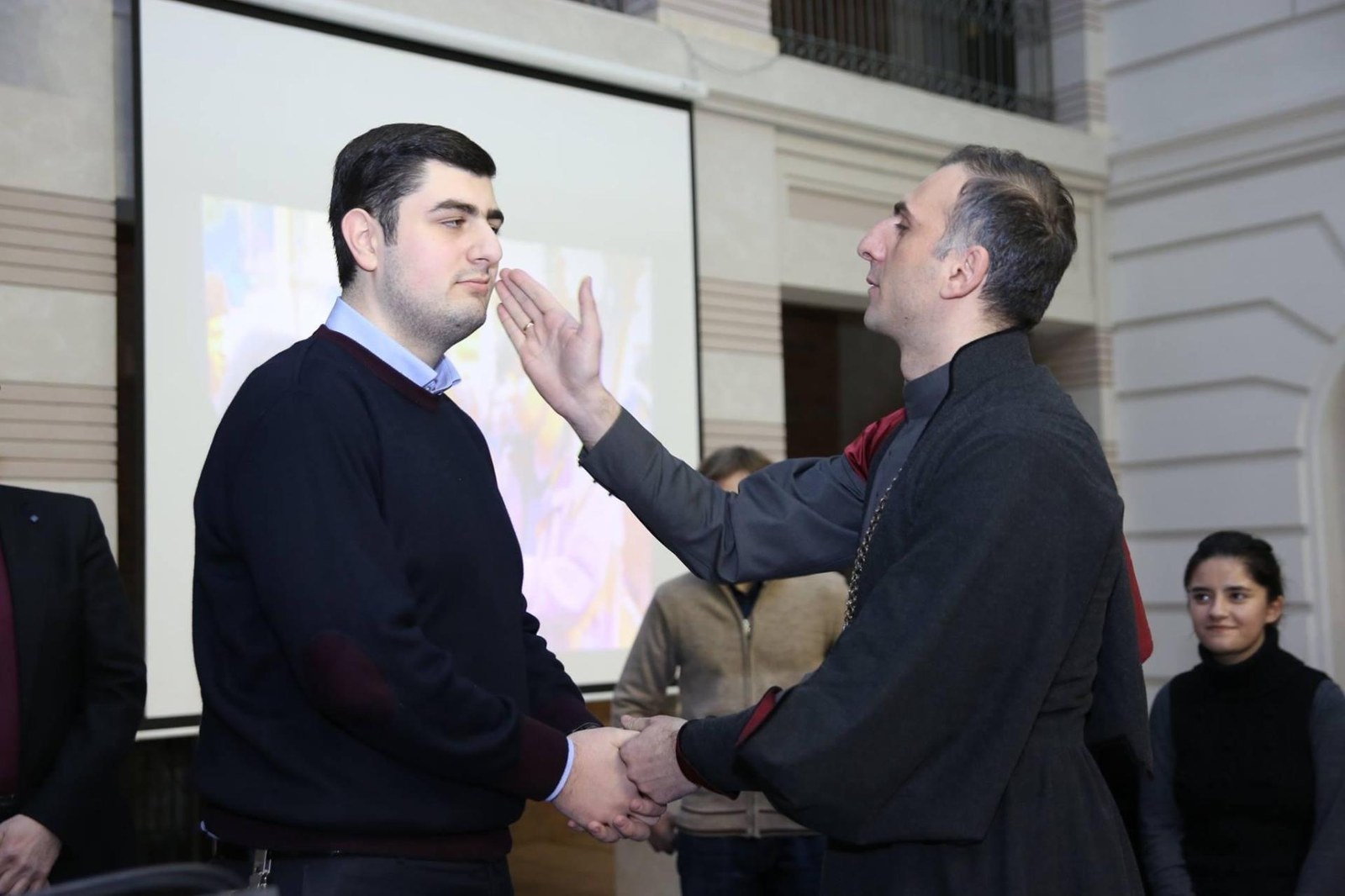
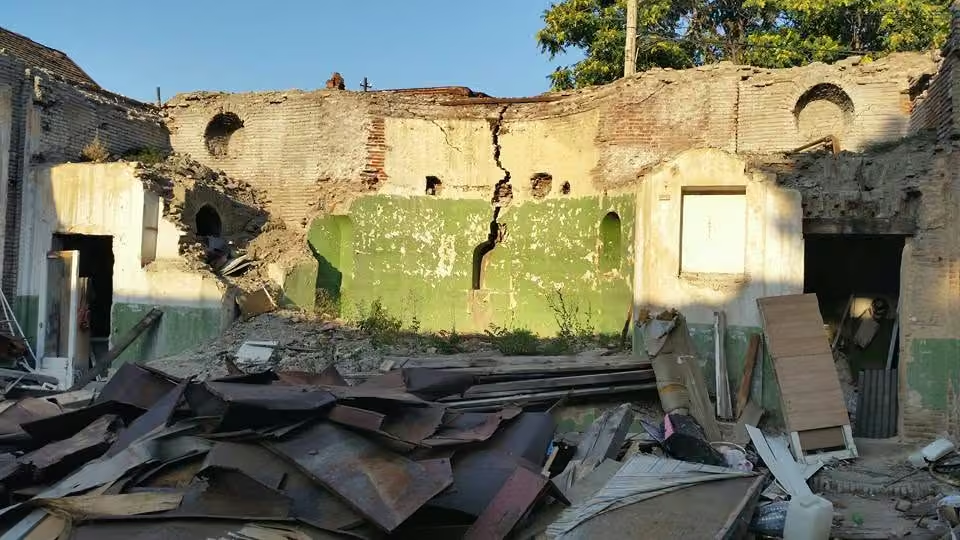
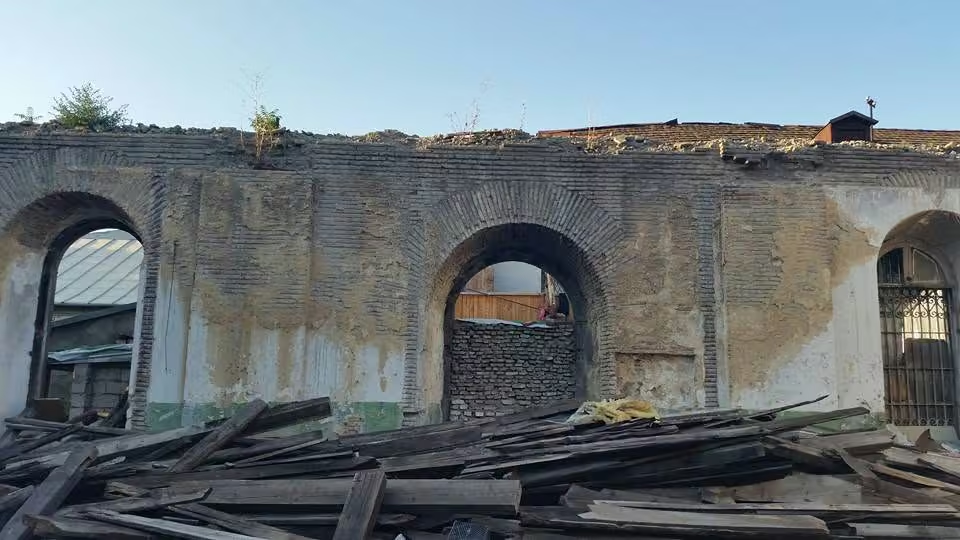
For me, it was more than a civic hobby. Protecting my city’s old neighbourhoods, centuries-old buildings, and distinctive urban environment from chaotic commercial development became my first practical school of responsibility for public space.
It was then, during the exhausting work of advocacy and public education for old Tiflis, that I reached a fundamental conclusion which I later placed at the heart of my Doctrine: indifference to the deterioration and destruction of one’s architectural heritage exposes failures of public responsibility and governance. Those same failures can also weaken a state’s security. Architecture and the fabric of settlements are not merely real estate. They are the material expression of a nation’s way of thinking, worldview, and internal order.
Meanwhile, the international reach of my work was rapidly expanding. In 2014, I received the international status of Ambassador for Peace from the Universal Peace Federation, which holds special status at the United Nations, and became a delegate at a major international conference on a Middle East settlement in Jerusalem, in the State of Israel. In that same year, 2014, I participated from Georgia in the Youth Assembly at United Nations Headquarters in New York, in the United States. It was my first visit to the United States.
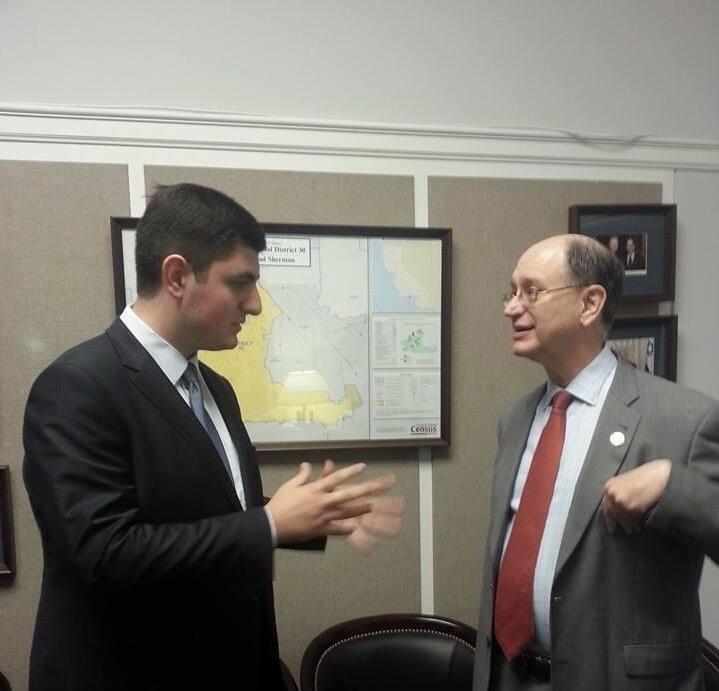
For a nineteen-year-old whose family memory was inseparably tied to Kars, Tbilisi, and Yerevan, speaking on major platforms in New York and Jerusalem was an important symbolic milestone. Yet the principal outcome of those journeys was not the diplomatic receptions, but one extremely stark and sobering conclusion.
The more I became acquainted with global institutions and international architecture, the more clearly I understood a simple truth: in the present world order, no international organisation can replace a people’s own powerful state.
International support is changeable, allies are guided above all by their own interests, and diplomacy turns the actual balance of power into agreements that protect a state’s interests and create new opportunities. The world is deaf to historical grievances, complaints, and emotions. It respects only competence, organised strength, and the ability to defend one’s own sovereign interests independently, with weapons in hand and institutions at one’s back.
It was in the United States, on United Nations platforms, and in the State of Israel that a conviction finally crystallised within me and became one of the central pillars of my worldview: a people’s future is determined not by the volume of its tears and complaints, nor by the scale of past tragedies and historical justice, but by the quality and strength of the state and other institutions it has created.