Giorgi Tumasyan’s Journey
Responsibility
In 2015, my interest in public administration, the architecture of institutions, and social processes moved decisively beyond purely academic research. A turning point had arrived: the knowledge I had accumulated needed to be tested against demanding practice. Until then, I had studied political systems and the mechanisms of power from the outside. Now, fate gave me the opportunity to see how the laws of governance operated in a living, unpredictable reality.
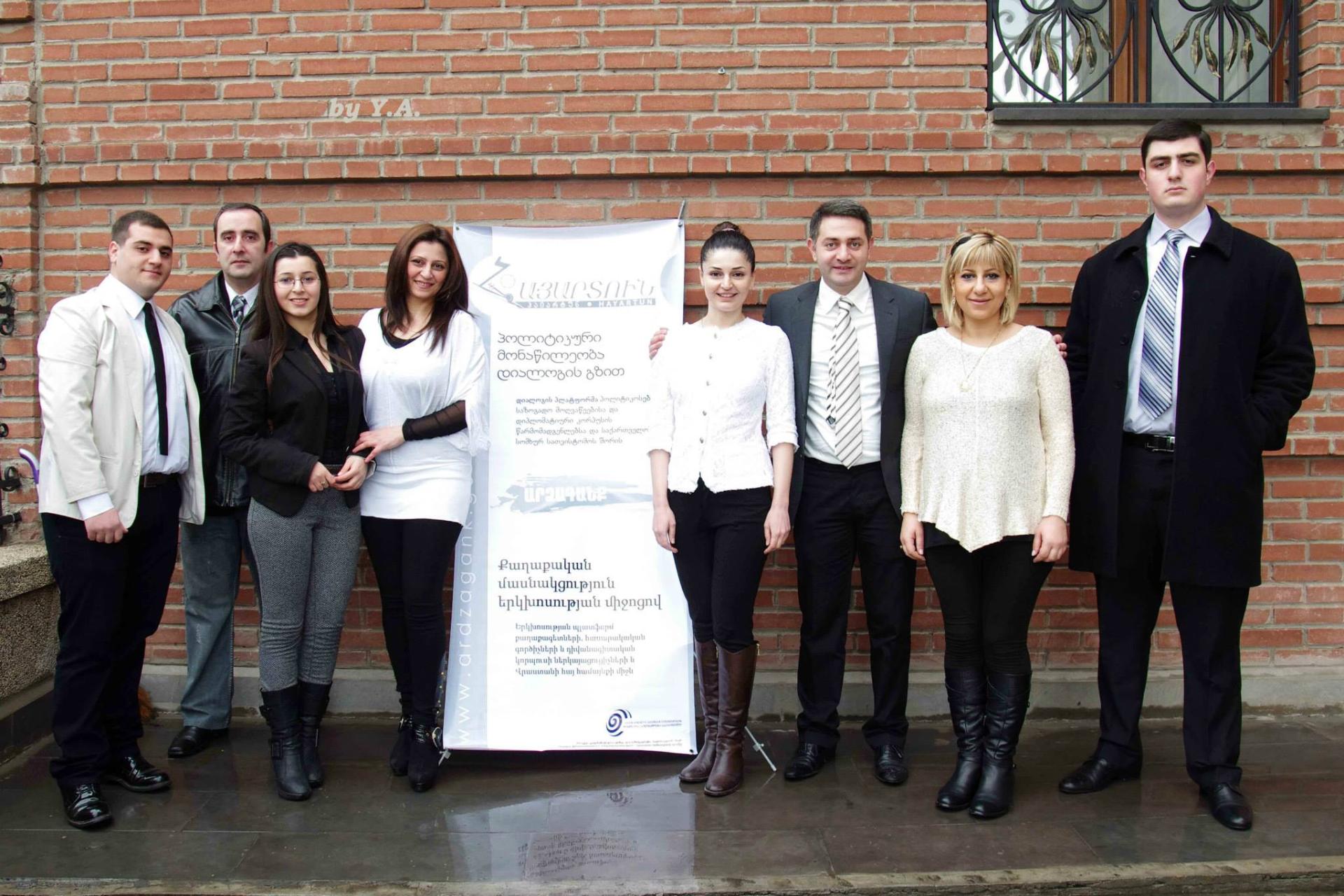
It was then, at the age of twenty, that I was entrusted with leading the Georgian Armenian Community Platform, a key independent institution of the Armenian community. At that moment, I became one of the youngest leaders at this level not only within the community, but across Georgia’s civic sector. To an outside observer, it might have seemed a prestigious public position. For me, however, it became the first uncompromising test of my ability to take personal responsibility for thousands of people, make decisions under severe time constraints, and build viable organisations.
For the first time, I found myself in a situation where personal ambitions and private views had to be wholly subordinated to our community’s long-term strategic interests. Before my eyes, the theory of public administration turned into harsh practice: allocating extremely limited resources, building diplomatic relationships, preventing and managing crises, and planning for the long term. It was then that I formulated a principle which would later become a foundation of my political philosophy: leadership does not begin with receiving a mandate, a signature, or a seat. It is born at the moment you take full responsibility. A leader’s stature is determined by the extent of the personal responsibility they assume and the weight of the real actions that affirm that choice.
Georgia’s Armenian community has historically stood at the intersection of several tectonic plates. On one side, it is an inseparable part of Georgia, deeply integrated into its sociopolitical fabric. On the other, it has maintained an unbreakable bond with mother Armenia. During my years leading the organisation, my aim was not only to address the community’s current problems, but also to help establish a strategic alliance between Georgia and Armenia. Before the 2018 revolution, every attempt to establish systematic dialogue was blocked by those then holding power in Yerevan. After the revolution, despite the inertia and resistance of parts of the former state apparatus, we succeeded in overcoming the key challenges hindering the development and deepening of bilateral relations.
In 2016, as part of the Platform’s work, I initiated and undertook an extensive nationwide tour of the country’s regions. I visited almost every city, district, and village with an Armenian population in Georgia, including the districts of Akhalkalaki, Ninotsminda, Akhaltsikhe, Tsalka, Marneuli, Ozurgeti, and Batumi.
It was a deep, practical assessment of regional realities. I spoke directly with local residents, members of the older generation, and young people, recording on the ground the actual scale and nature of social, legal, and infrastructure problems. At the same time, I held seminars for young people on civic rights and the tools of social integration. This field experience finally freed me from the illusions of working behind a desk. I saw our people’s daily lives with my own eyes, with their real difficulties, limitations, and opportunities, without embellishment or second-hand impressions.
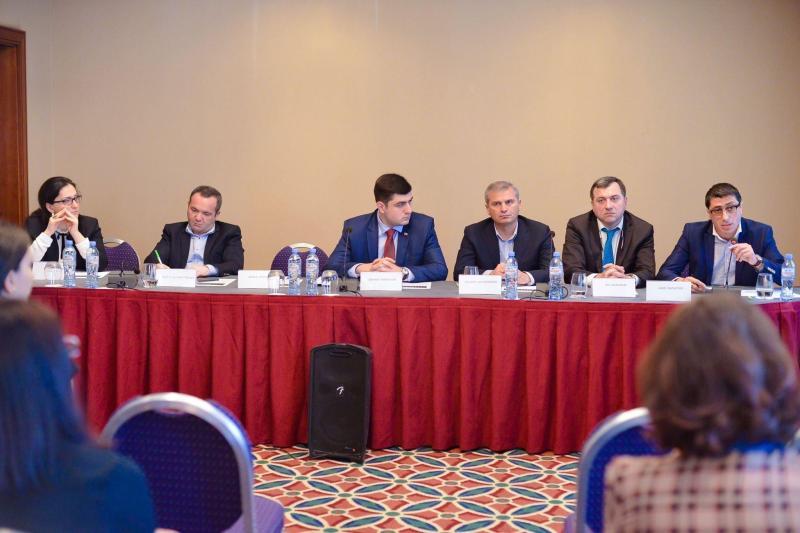
It was then that my conviction strengthened: any historical change is fruitless unless it rests on stable institutions. One can hold a vibrant event or launch a high-profile information campaign. One can deliver a fiery speech. But only organisations produce lasting results.
Real, irreversible changes in history occur only when structures and institutions are created that can function effectively for decades and centuries, regardless of generational change or changes in the people holding power.
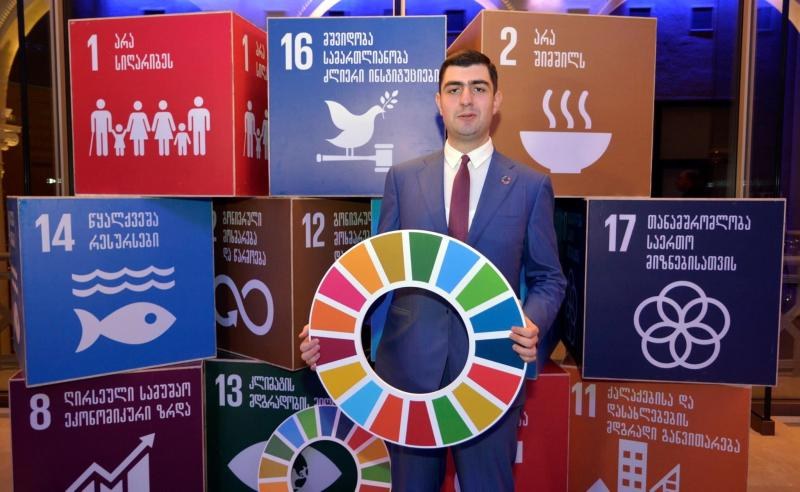
My own platforms for regional development grew out of this institutional understanding. In 2015, when the United Nations adopted the global Sustainable Development Agenda, with 17 strategic goals to be achieved by 2030, I initiated the establishment of the Foundation for the UN Sustainable Development Goals in the Caucasus, to translate this global mechanism into local action. It was a step from analysis to institution-building. I returned to the United Nations platform in a fundamentally new capacity, organising and conducting extensive regional programmes in Georgia with direct support from UN bodies.
In that same year, 2015, I initiated the establishment of the Caucasus Academy of Diplomacy as an analytical and educational centre. Its purpose was to study geopolitical processes in the Caucasus comprehensively, develop a new generation of specialists, and create independent platforms for diplomatic dialogue in the region.
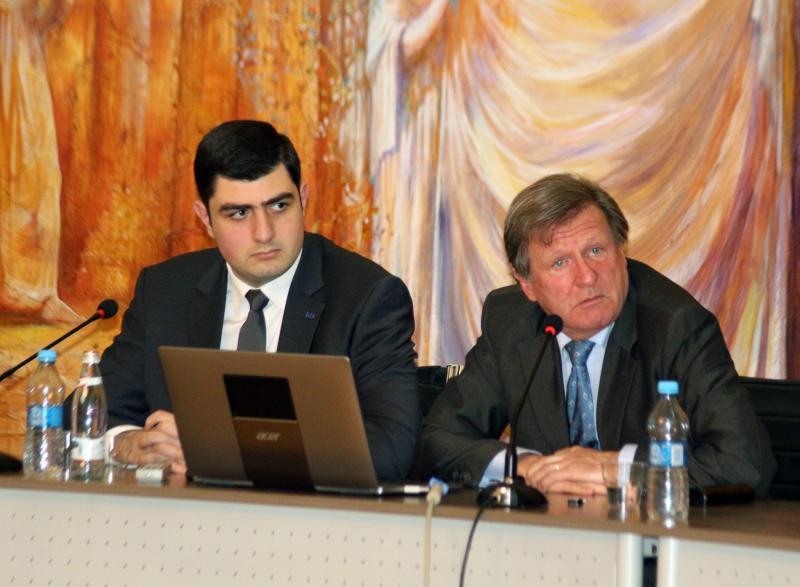
During this same period, my work also received international recognition. As a young foreign policy specialist, I joined the Washington-based international professional network Young Professionals in Foreign Policy, or YPFP.
Alongside these activities, informal diplomacy came to occupy a distinctive and deeply dramatic place in my work. For several years, I directly participated in exceptionally complex peacebuilding initiatives at the region’s critical fault lines. In 2015, I was involved in the trilateral Armenian-Georgian-Azerbaijani peace process in Tekali, Georgia, near the borders of three states, where efforts were made to find grounds for trust between societies divided by war. Later, through the Civic Forum and under the auspices of the Youth Reconciliation Movement I had founded, I participated in Georgian-Ossetian and Georgian-Abkhaz reconciliation processes held on neutral platforms in Poland, Serbia, and Armenia.
Videos
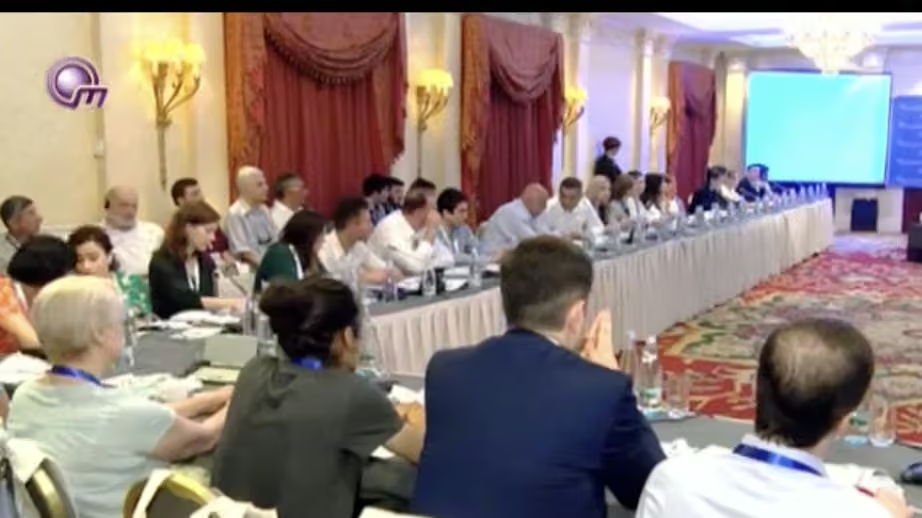
This experience left a heavy, deeply sobering impression on me. On one hand, I saw the enormous value of human dialogue. On the other, I shed my rosy illusions forever. I understood that no dialogue, no good intentions, and no memorandum from international mediators could replace a nation’s security and institutional strength. Peacebuilding can temporarily reduce tension, but only a powerful state, armed to the teeth and governed impeccably, can guarantee its citizens’ physical survival. Peace and strength do not contradict one another. They are two sides of one harsh reality. Peace is a function of strength.
In 2016, I joined the Council of Ethnic Minorities under the Public Defender of Georgia, continuing my work representing community concerns on that platform. Participating in the Council allowed me to raise the community’s problems in dialogue with state institutions and take part in developing solutions.
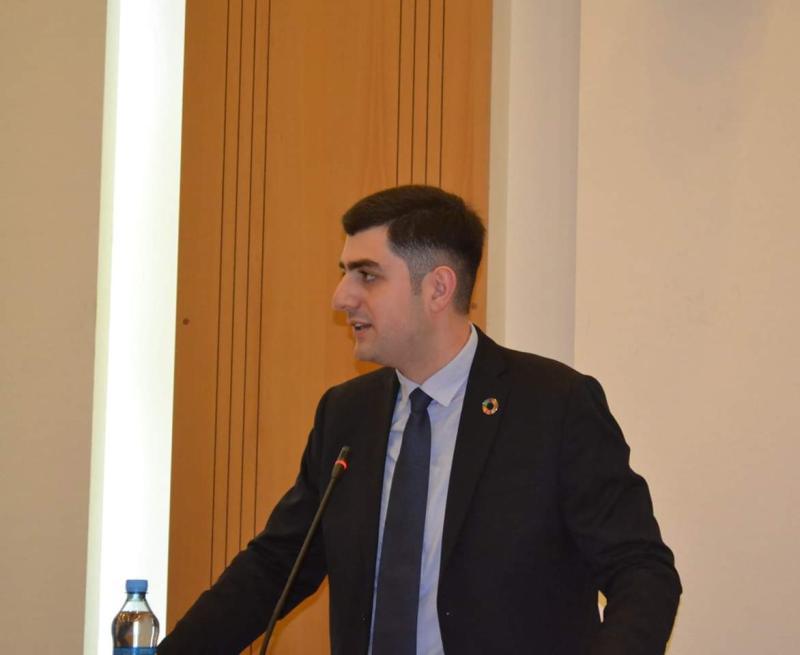
In that same year, 2016, an event firmly established my status as a community representative at the international level. Armenia’s Ministry of Foreign Affairs invited me to officially represent the Armenians of Georgia at the Global Forum Against the Crime of Genocide in Yerevan. For someone with the blood of Kars’s defenders in his veins, that moment had immense existential significance. I stood at a prominent lectern in Yerevan and clearly understood that I was representing neither myself personally nor an individual civic organisation, but the entire Armenian community of Georgia standing behind me. This international mandate was reinforced by years of uncompromising defence of our community’s interests.