Giorgi Tumasyan’s Journey
Roots
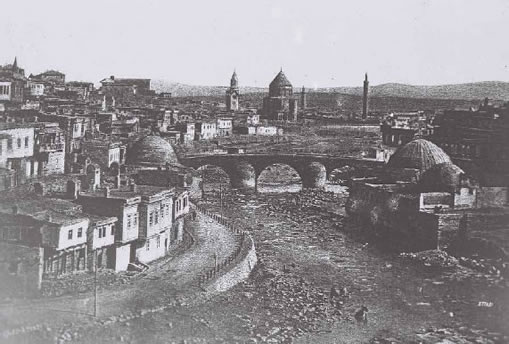
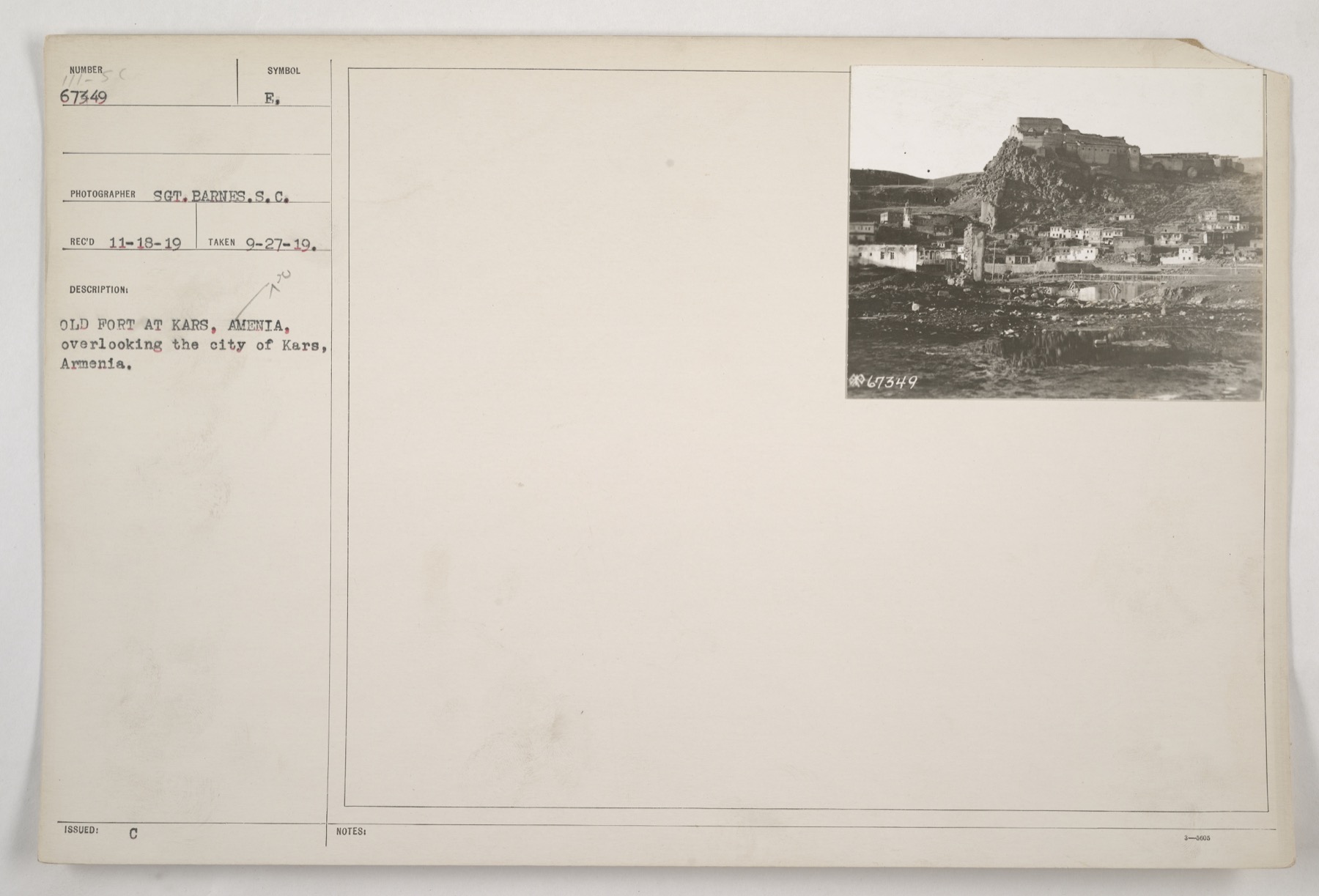
I was born in 1995 in Tbilisi, Sakartvelo/Georgia. But the story that shaped my path and ultimately led me to write The Doctrine of the State of Hayk began long before my birth and far from the city of my childhood. It began in Kars.
For my family, Kars has always been part of a living, beating memory passed down from generation to generation: the memory of a home we were forced to leave amid the whistle of bullets, of a state that had to be defended to the last breath, and of people for whom the honor of an Armenian soldier and fidelity to his oath stood above their own lives.
Through my paternal grandmother, I descend from the Mazmanyan family. In our family history, the name of Hovhannes Mazmanyan, the renowned commander of the First Republic of Armenia’s 1st Kars Regiment, has always held a special, sacred place.
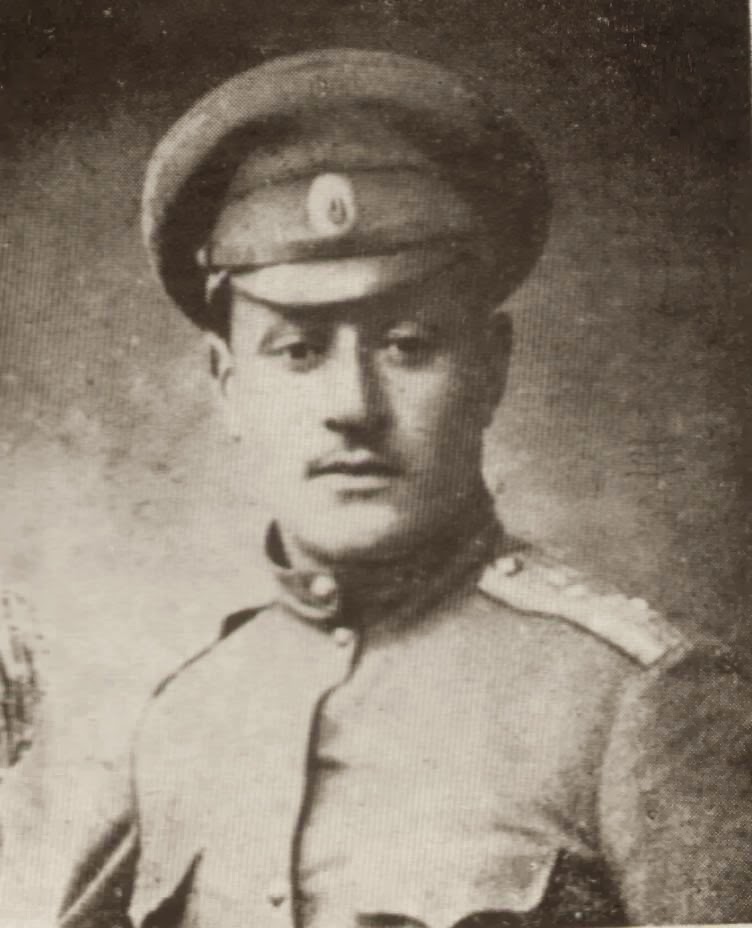
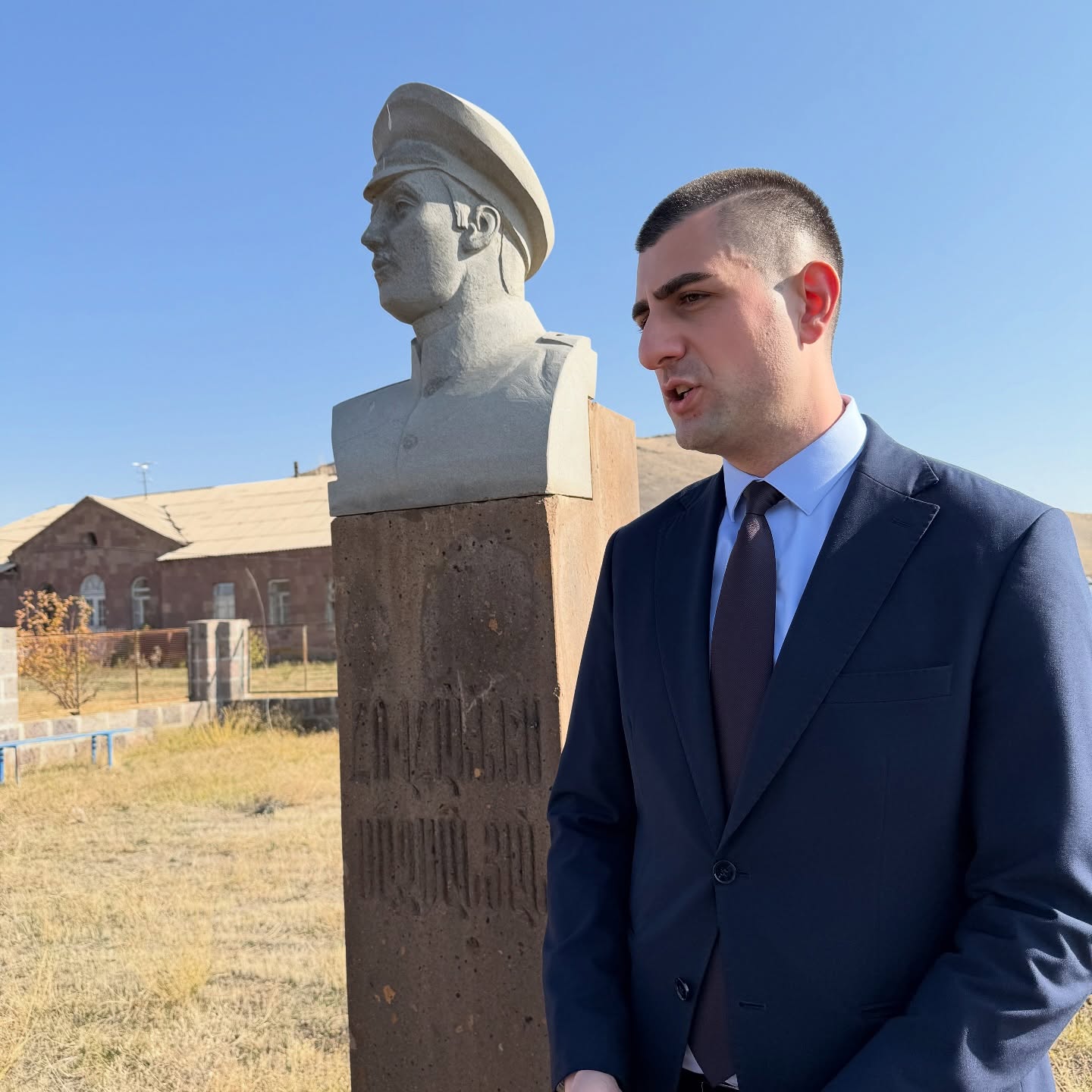
For Hovhannes Mazmanyan, military service was never a career pursued for the sake of a foreign flag. Hovhannes Mazmanyan was born in 1890 in Kars, entered service in the Russian Imperial Army in 1910, and later studied at the Tiflis military cadet school. At that time, most of Eastern Armenia was part of the Russian Empire, and service in the imperial army was one of the principal ways for Armenian military men to acquire professional training and combat experience. He would later put that experience to use in defending his own people and an independent Armenia.
He faced his first decisive trial in the winter of 1914–1915, in the hell of the Battle of Sarıkamış. On icy slopes high in the mountains, in a merciless cold of 30 degrees below zero, the physical survival of the Armenians hung in the balance: Enver Pasha’s Ottoman Third Army was charging toward Kars, aiming to purge the region completely of its native Armenian population. Fighting literally on the doorstep of his own home, the young officer Mazmanyan showed fearlessness in the fierce battles. The victory at Sarıkamış, won by the Russian Empire with the crucial participation of Armenian officers, crushed the Ottoman Empire’s blitzkrieg and saved Eastern Armenia from destruction.
When the Russian Empire plunged into internal chaos and the First Republic of Armenia was reborn from the blood and ashes of the Armenian Genocide, Colonel Mazmanyan continued to fulfill his lifelong duty to his Nation. Commanding the 1st Kars Regiment of Armenia’s sovereign army, he placed all his experience at the front in the service of the young state.
One significant demonstration of his abilities as a commander was the Oltu military operation in the summer of 1920: the offensive led by Mazmanyan is dated to July 28. The region’s coal mines were strategically important for supplying the Republic with fuel, keeping the railways running, and reducing energy dependence. At the head of the 1st Kars Regiment, Mazmanyan carried out successful offensive operations against Turkish forces, demonstrating the combat capability of the regular Armenian army.
But in the autumn of 1920, the geopolitical situation changed sharply. Soviet Russia entered into a clandestine alliance with Kemalist Turkey. Armenia was caught between two hammers, while the corrosive, defeatist propaganda of Soviet ideas finally destroyed military discipline from within.
In October 1920, Turkish troops approached the walls of Kars. At meetings of the fortress’s Military Council, Mazmanyan insisted to the very end that the high command hold the citadel, refusing to surrender the fortifications without a fight. But on October 30, when he tried to salvage the situation by ordering the troops to take up positions and organize a firm defense, the soldiers, demoralized and conditioned by foreign propaganda, refused to obey their commander’s order. The country’s crucial fortress was being surrendered almost without a shot.
For the 30-year-old officer, who had fought on the fronts of the First World War and sworn to serve an independent Armenia, this was a personal existential catastrophe. Before his eyes, it was not only his military unit that was collapsing, but the very moral and physical foundation of independent Armenian statehood. Unwilling to live through the disgrace of the citadel’s surrender and witness the destruction of his State and the loss of his native Kars, Colonel Mazmanyan stepped out in front of the ranks, onto a bastion of the fortress. Speaking the words that became his immortal testament—“I have one life, Homeland; I give it to You”—he drew his personal Mauser and shot himself.
In the summer of 2026, I, too, was 30 years old. At this stage of my life, I repeat the words of my ancestor, Colonel Mazmanyan: “I have one life, Homeland; I give it to You.” But I do not utter them to put a bullet through my own temple out of helplessness in the face of yet another collapse of our state and system. One hundred and six years later, I dedicate my life, will, knowledge, experience, and discipline to Hayk. My work on The Doctrine of the State of Hayk is part of that service: to turn our State into an Impregnable Fortress and bring the unfinished work of my ancestor, Colonel Hovhannes Mazmanyan, to a victorious conclusion.
Prime Minister Simon Vratsyan and the writer Kostan Zaryan preserved recollections of how the news of the colonel’s death reached Yerevan. At a session of the First Republic’s parliament, when the fall of Kars and the commander’s death were announced from the rostrum, a deathly silence fell over the hall. In Zaryan’s literary portrayal, the silent shadow of Colonel Mazmanyan, his head drenched in blood, passes among the deputies’ benches and comes to a halt at the back of the hall. For me, that image is an enduring demand addressed to the nation’s conscience: to answer for the lost state and the unfinished duty.
Our national culture gave rise to the term “Mazmanyan patriotism” as a symbol of absolute, uncompromising devotion to the Homeland, and to the term “Mazmanyan syndrome” as an expression of a fighter’s extreme despair in the face of a system’s internal decay and treacherous weakness.
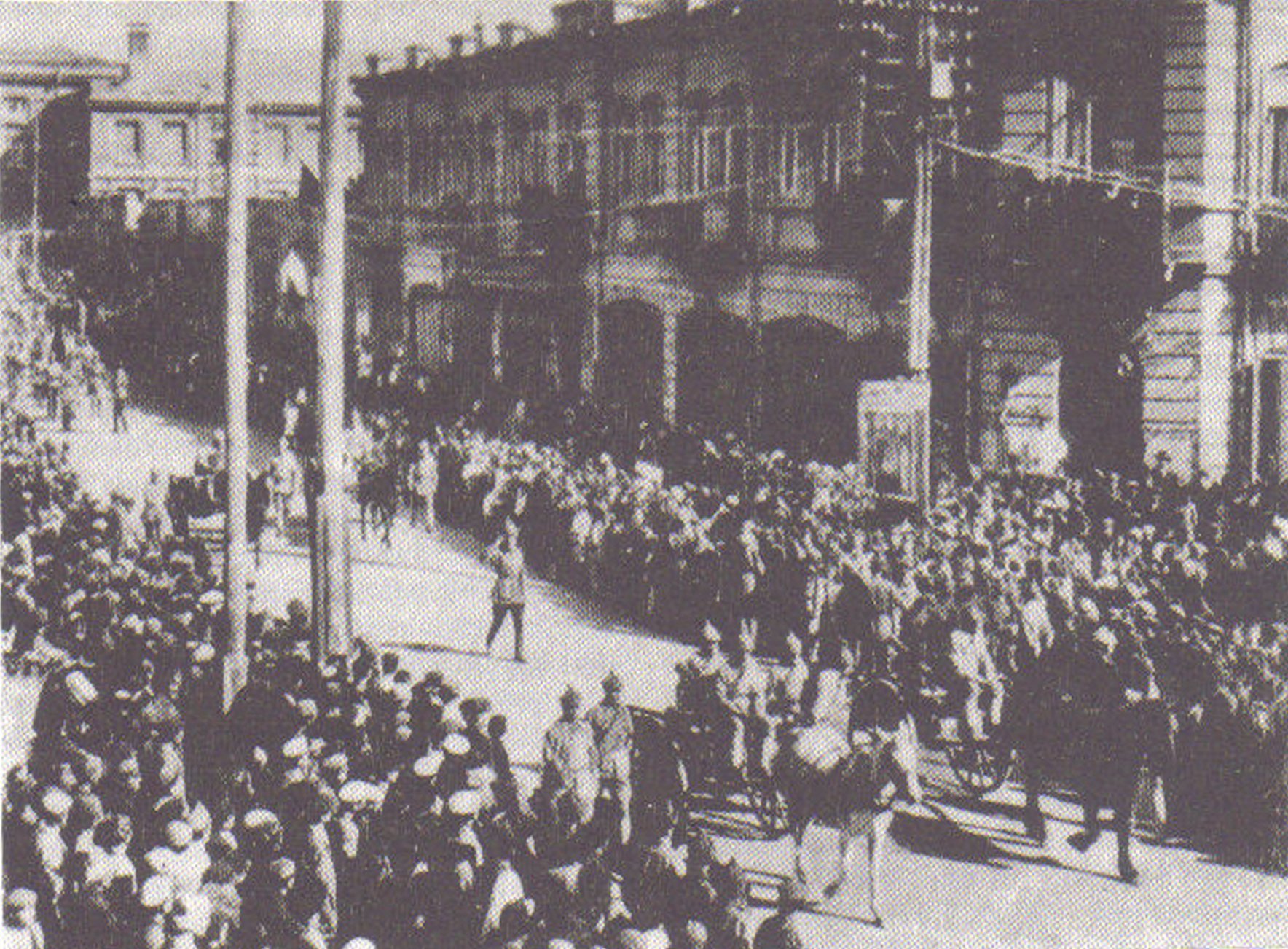
The 11th Red Army enters Yerevan, 1920 — More
An archival photograph from the period.
After the fall of Kars on October 30, 1920, the surviving population retreated toward Gyumri, then known as Alexandropol, which Turkish troops captured only days later, on November 7. On December 2, power was transferred to the Soviet side under the Yerevan Agreement, and on December 4, Armenia’s Revolutionary Committee arrived in Yerevan to take over the country’s administration.
After the fall of Kars and the subsequent Sovietization of Armenia, the main threat to my family became the anticipated violence of the Cheka, the Chekist apparatus of repression. By virtue of its history and lineage, the family of a heroic colonel of the First Republic of Armenia automatically became a target for annihilation.
At this fateful moment, my surviving ancestors took steps to conceal their origins and their past in order to save the family line. They set out for Tiflis, the capital of the Democratic Republic of Georgia, which was still independent in December 1920.
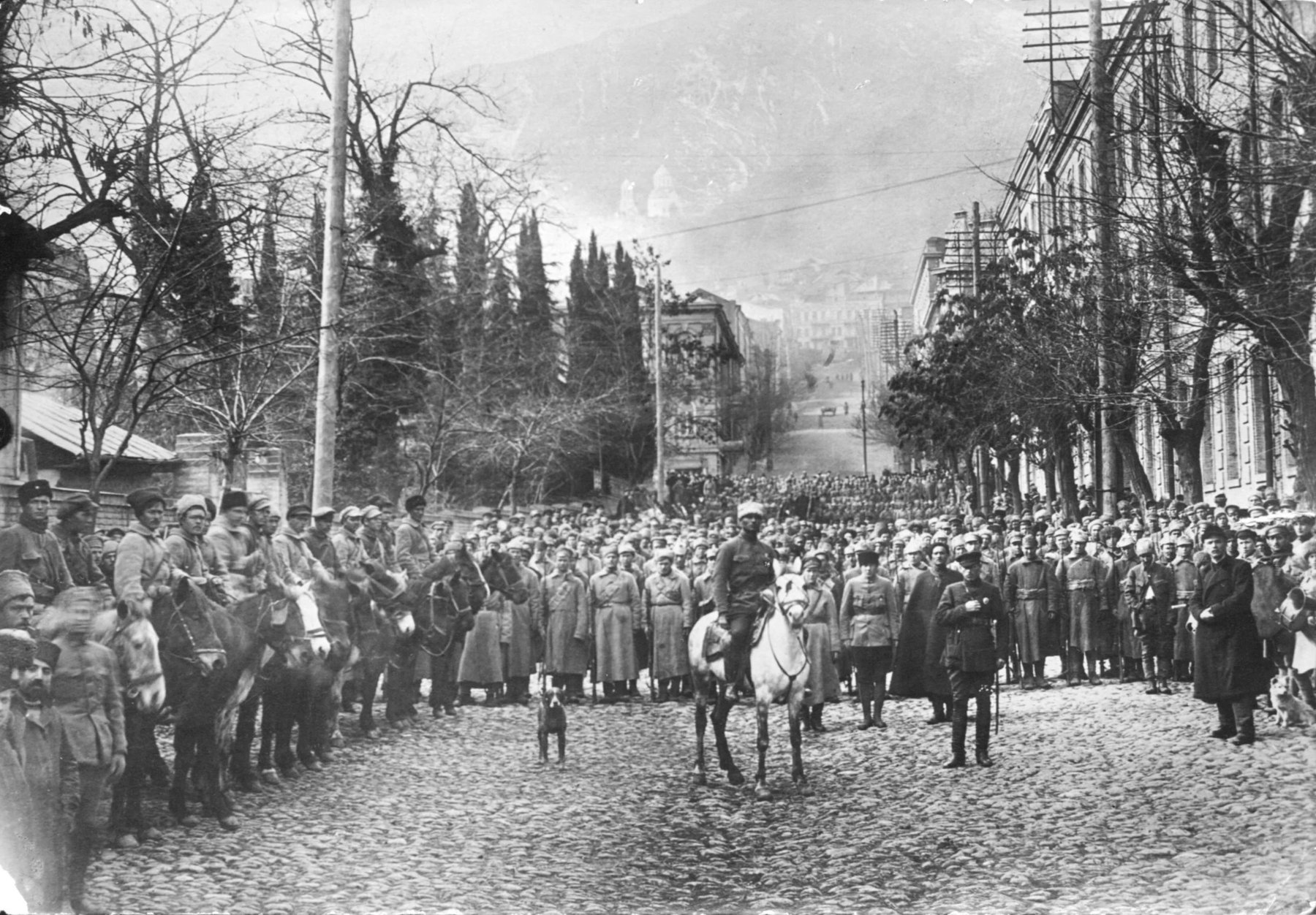
The 11th Red Army in Tbilisi, 25 February 1921 — More
An archival photograph from the period.
But on February 25, 1921, Soviet Russian troops captured Tiflis, and Soviet rule was established in Georgia. Faced with this new danger, in order to escape the execution cellars and erase, as far as possible, the documentary trail of their past from the Chekist system, my ancestors abandoned their ancestral surname, Mazmanyan, and adopted the surname Oganezov, forming it from the first name of Colonel Hovhannes Mazmanyan himself.
They lost almost everything: their native city, their extensive ancestral property in Kars, their status as an officer’s family, and even their historical surname. But they managed to preserve what mattered most: their Armenian identity, the memory of Hovhannes Mazmanyan, the continuity of their bloodline and family, their historical memory, and their unconditional devotion to Armenia.
Even then, our family memory was indelibly marked by the understanding that, in this region, Hayk/Armenia and Sakartvelo/Georgia are naturally dependent on one another. In December 1920, an independent Sakartvelo/Georgia gave our family refuge when Armenia’s defeat and Sovietization had already dealt a heavy blow to Georgia’s own strategic security. The loss of Kars and Yerevan’s passage under Soviet rule deprived Georgia of an independent neighbor to the south, deepening its isolation and increasing the danger of the next attack on Tiflis.
A century later, the central strategic pattern endures: an independent Hayk/Armenia is a key pillar of southern security for Sakartvelo/Georgia, while the weakening of Armenian sovereignty also increases the Georgian state’s vulnerability to imperial pressure. An independent Sakartvelo/Georgia, facing the same imperial storms, is the strategic gateway to the outside world for Hayk/Armenia. We either hold this shared Caucasian perimeter of freedom together, in tandem, or we will collapse together.
The history of the Tumasyan family unfolded in parallel, inseparably bound to the history of the Mazmanyans. On my grandfather’s side, my ancestors also came from Kars, where they lived right next door to the Mazmanyan family. After the exodus from Kars, the Tumasyans moved to the village of Chivtkilisa in the Tsalka district of Sakartvelo/Georgia, because their close relatives were already living there. The eldest daughter of my great-grandfather, Hambardzum Tumasyan, had been born back in Kars, while my grandfather, Giorgi Tumasyan, son of Hambardzum, was born in Chivtkilisa in the Tsalka district, from where he later moved to Tbilisi.
It was in Tbilisi that this chapter of our family’s history came full circle. The descendants of two families from Kars, once neighbors who had shared the same land and lost it, met again on the streets of Tbilisi and decided to start a family, uniting the histories of the two lineages. As a sign of profound respect for this continuity and fidelity to our genetic code, my father named me after my grandfather: Giorgi Tumasyan.
From early childhood, questions of Armenian statehood were never an abstract political theory or a subject of detached academic interest for me. I grew up in a home where the memory of Kars was understood as an unfinished conversation between generations about the state and responsibility.
Perhaps that is why, long before I studied international relations and geopolitics at universities, the central question that would determine the entire course of my life crystallized within me:
Why do some peoples and states disappear, while others survive against all odds? Why do some peoples become the rightful masters of their own destiny, while others become passive objects of other people’s decisions?
And most importantly, what must I personally do, what must we do, so that the Armenian state never again, under any circumstances, faces the threat of disappearing?
The search for an answer to this existential question, and the effort to put that formula for sovereignty into practice, ultimately led me to write The Doctrine of the State of Hayk.